Auto: The Evolution and Impact of Automobiles on Modern Society
Auto: The Evolution and Impact of Automobiles on Modern Society
The automobile, commonly referred to as the “auto,” has revolutionized the way people live, work, and travel. From its invention in the late 19th century to its modern-day sophistication, the automobile has continuously evolved to meet the needs of society, significantly shaping economies, infrastructure, and daily life. The auto industry has not only been a driver of technological innovation but has also influenced cultural trends, urban development, and environmental considerations.
The Birth of the Automobile
The origins of the automobile can be traced back to the late 1800s. While several inventors contributed to the development of the car, Karl Benz is widely credited with building the first practical automobile in 1885. His invention, the Benz Patent-Motorwagen, was powered by an internal combustion engine and marked the beginning of a new era in transportation. This early model was a breakthrough that laid the foundation for the automobile’s mass production and widespread use.
Henry Ford’s introduction of the assembly line in 1913 changed the auto industry forever. By making it possible to produce cars on a massive scale, Ford made automobiles more affordable to the average person. The Model T, often considered the first “people’s car,” revolutionized transportation by offering a reliable, affordable means of personal mobility. As a result, the automobile quickly became a staple of everyday life.
The Automobile and Society: Transforming Daily Life
Automobiles have had a profound impact on nearly every aspect of society. The ability to travel long distances quickly and comfortably has reshaped how people live and work. The advent of personal vehicles led to the rise of suburban living, as people could now commute to work from areas that were previously considered too far to reach. This shift in living patterns contributed to the expansion of cities and the creation of sprawling suburban neighborhoods.
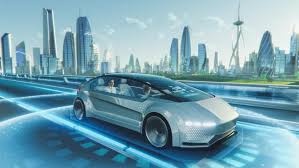
The auto also played a key role in the expansion of industries, from manufacturing to tourism. It enabled goods to be transported over long distances, thus stimulating trade and commerce. The development of roads, highways, and infrastructure was closely tied to the increasing use of automobiles. Today, the presence of automobiles on the road is ubiquitous, and they are integral to the functioning of modern economies.
Technological Advancements in the Auto Industry
Over the years, the automobile has undergone remarkable technological advancements. Today’s vehicles are vastly more efficient, safer, and environmentally friendly than their predecessors. Innovations such as electric cars, hybrid engines, autonomous driving technology, and advanced safety features like lane-keeping assist and automatic braking have significantly enhanced the driving experience.
Electric vehicles (EVs) are perhaps the most prominent innovation in recent years, driven by growing concerns over climate change and the need to reduce carbon emissions. EVs, powered by electricity instead of fossil fuels, are seen as a solution to many of the environmental issues associated with traditional gasoline-powered cars. Many automakers are now focusing on developing new EV models, with some countries even setting ambitious goals to phase out combustion engine vehicles in the coming decades.
Autonomous driving technology is another cutting-edge development in the auto industry. Self-driving cars, which rely on sensors, artificial intelligence, and machine learning, promise to change the way people travel. By reducing human error on the road, autonomous vehicles have the potential to significantly decrease traffic accidents and improve road safety.
The Environmental Challenge and the Future of the Auto Industry
Despite the many benefits of automobiles, the environmental impact of traditional gas-powered vehicles has become a growing concern. The emissions produced by internal combustion engines contribute to air pollution and climate change, making it imperative for the industry to shift toward more sustainable practices.
Governments around the world are introducing stricter emission standards and offering incentives for the purchase of electric and hybrid vehicles. The auto industry is responding by investing heavily in cleaner technologies and striving to reduce its environmental footprint. In the future, the continued development of alternative energy sources, such as hydrogen fuel cells and improved battery technology, may help mitigate the environmental impact of automobiles.
Conclusion
The automobile has come a long way from its humble beginnings, and its influence on modern society cannot be overstated. It has shaped the way we live, work, and connect with one another. With ongoing advancements in technology and increasing attention to environmental concerns, the future of the automobile promises even more exciting innovations. As the auto industry continues to evolve, it will undoubtedly remain a central force in shaping the future of transportation, mobility, and sustainable living.
